
Herbascript was designed as a modern herbal and supplement guidance tool rooted in clinical safety, user personalization, and data transparency.
Built before large language models were introduced to the project, Herbascript relied on structured databases, custom-built logic, and intake-based rules to ensure supplement suggestions were safe, relevant, and compliant with health conditions, medications, allergies, and life stages (e.g., pregnancy, breastfeeding).


Most online supplement tools ignore personal health data — such as medications, chronic conditions, or allergies — and rarely account for clinically validated risks or third-party testing.
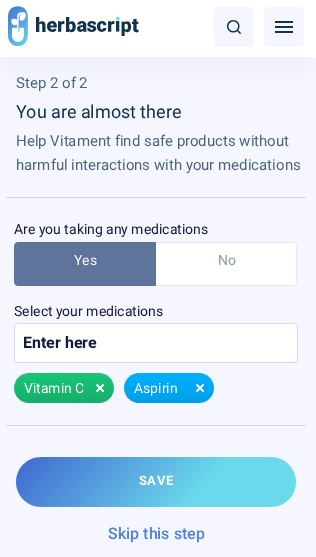
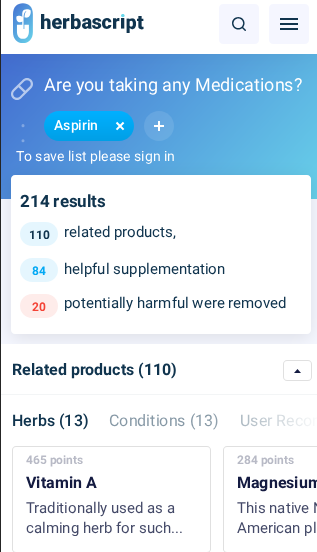
The UX process focused on designing an intuitive intake flow that progressively gathered essential health information—like medications, conditions, allergies, and life stages—before generating any supplement recommendations. Every output was driven by structured logic and supported by a clean, minimal UI that prioritized clarity, trust, and clinical responsibility.
![[interface] image of a software interface for ai developer tools without a device](https://cdn.prod.website-files.com/68932a2f93d6fa07de373586/68945ee7218253b20a46d9d8_Screenshot%202025-08-07%20100751.png)
![[digital project] image of digital artwork on a screen (for a graphic design studio)](https://cdn.prod.website-files.com/68932a2f93d6fa07de373586/68945f30f0c390635ca9595d_Screenshot%202025-08-07%20100906.png)
ChallengeUX Response
Risk of unsafe suggestions - Built intake-first flows that require age, gender, medications, and health conditions before showing any results
Trust in supplement brands - Integrated filtering based on verified third-party testing (NSF, USP, TRU-ID)
Complex safety dataTranslated complex safety metadata into clean, readable summariesUser overwhelmCreated a progressive questionnaire that feels simple, but powers a complex backend logic engineEthical clarityDisplayed persistent disclaimers, no diagnostic features, and strict boundaries on advice
Every supplement recommendation is traceable to a clinical rule, research reference, or public data model.
Key Modules Built:
Curious about collaborating, commissions, or creative partnerships? I’d love to hear what you’re dreaming up.
![image of writing on notepad (for a financial advisor) [image 4]](https://cdn.prod.website-files.com/68932a2f93d6fa07de373586/68935d8b6bf4e7a10df895e9_Screenshot%202025-08-06%20154947.png)
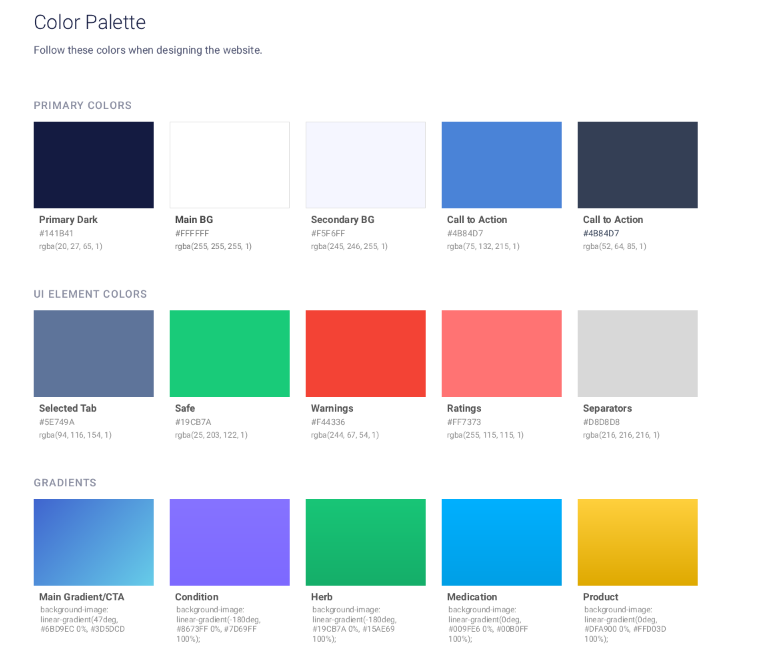
Development ready mobile version.